
SERVICE & HOME WARRANTY
Our commitment to quality doesn’t end at possession
Service Procedures
To ensure a smooth and efficient service experience, please follow the procedures outlined below.

Step 1: Consult Your Manuals
For any concern, please first review the relevant section of this homeowner manual, as it contains helpful maintenance tips and solutions for common issues.

Step 2: Submit a Service Request
All non-emergency service requests must be submitted using our online service request form. This is the most efficient way to manage your warranty items and ensure they are logged and tracked correctly.
National Home Warranty
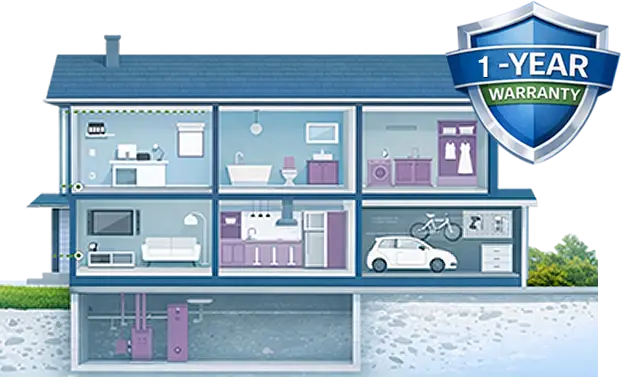
One Year Warranty
In the first year, defects in material & labour with respect to the New Home.
Two-Year Warranty
In the first 2 years:
- Building code violations
- Defects in material & labour that render the New Home unfit to live in
- Defects in material and labour supplied for the electrical, plumbing, heating, ventilation and air conditioning delivery and distribution systems
Five-Year Warranty
In the first 5 years:
- Defects in the building envelope, including defects resulting in water penetration; and
- Defects in material & labour supplied for exterior cladding, caulking, windows and doors that lead to detachment of or material damage to the New Home.
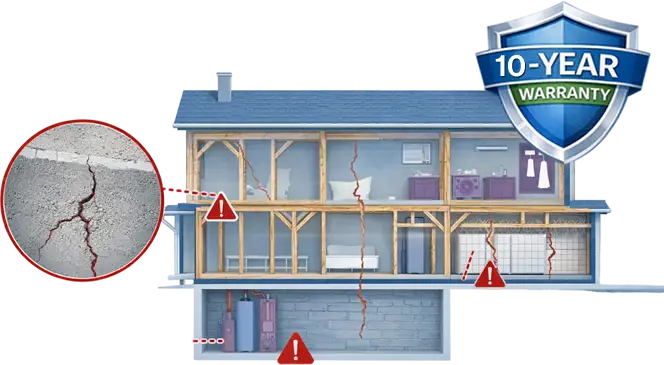
Ten-Year Warranty
In the first 10 years, Structural Defects.
Download Construction Performance Guide
**Please ensure your address and contact information is noted in the subject line**
**Please include pictures of all deficiencies **
The Homeowner’s Responsibilities

Ongoing Maintenance
Regular upkeep as outlined in provided maintenance manuals.
a. Example: Using the correct cleaning materials and techniques.

Landscaping Care
Watering and nurturing trees, shrubs, and grass and preventing water pooling in landscaping.

Acting in Emergencies
Take immediate actions in emergencies to mitigate damage.
a. Example:Containing water leaks and notifying warranty providers swiftly.

Maintaining Proper Indoor Climate
Control indoor humidity using dehumidification, ventilation, or air conditioning. Prevent excessive moisture by ensuring vents are free of obstruction. Maintain a balance of indoor temperature to prevent damage caused by condensation, steam, or frost.

Accept Limited Repair Outcomes
Repairs may not perfectly match the original finishes in color, texture, or material.

Understanding the Warranty Scope
Familiarize yourself with exclusions and limitations to avoid surprises.
What IS NOT Covered:
- 1. Owner-Caused Damage or Neglect: Issues due to improper maintenance, alterations, or normal wear and tear by the owner or their representatives.
- 2. Concrete and Landscaping: Items like driveways, lawns, trees, shrubs, or plants are not warrantable items.
- 3. Cosmetic Issues: Paint, minor cracks, other aesthetic concerns considered normal or related to natural material properties.
FAQ's
Electrical
1) Check the breaker panel
Look for a tripped breaker and reset it if needed.
2) Reset the GFCI outlet
Locate the GFCI outlet (it will have “Test/Reset” buttons—often one of the outdoor outlets or sometimes a nearby indoor outlet that protects the exterior). Press RESET. This may restore power to all outdoor outlets on that circuit.
Important: If an electrician is called and the issue is one of the items above, the homeowner may be billed up to $300, as these are considered homeowner responsibilities.
Furnace
1) Check the main furnace switch
Make sure the main on/off switch is ON. It’s typically located in the basement area and has a red plate around it.
2) Check/replace the furnace filter
– Replace the filter regularly (recommended every 2 months during the first year).
– Use a MERV 8–10 filter only. Using a higher or different rating can restrict airflow and cause performance problems.
3) Clear the outside intake/exhaust vents
Ensure the exterior intake and exhaust pipes are clear of snow, ice, and debris.
Important: If a service call is placed and the issue is due to any of the items above, the homeowner will be billed up to $300, as these are considered homeowner responsibilities.
Windows & Moisture
Some condensation can occur seasonally, but you can reduce it by managing temperature and humidity:
1) Set your thermostat to 20–22°C (recommended range).
2) Keep indoor humidity between 25–40%
Use a dehumidifier (or humidifier if the air is too dry) to stay in range.
3) Improve airflow around windows
Raise blinds/curtains for part of the day to allow air circulation.
4) Use exhaust fans
Run bathroom fans during/after showers and use the range hood fan while cooking.
Important: Damage caused by unmanaged indoor humidity may void warranty coverage.